
Programmatic, explained properly.
Most agencies sell programmatic as a black box and a monthly report. This page is the box, opened: what actually happens between your brief and a screen in front of someone.
What programmatic actually is.
Not a channel. A way of buying. Instead of calling a publisher and booking a slot off a rate card, you describe the person you want to reach and software buys each impression individually, in the moment it becomes available.
You buy audiences, not slots
The unit of purchase is a person in a moment, not a page or a time band. The same buy can follow one audience across a news app, a smart TV and a mall screen.
Every impression is priced on its own
An auction runs for each one. Worth more to you than the next bidder? You win it. That is why the same campaign pays different prices through the day.
It corrects itself while it runs
Placements, creative sizes, times and audiences that convert get more budget; the rest get less. Weekly, not at the end of the campaign.
It is not only banners
Display was where it started. Video, connected TV, audio, in-app and digital out-of-home are all bought the same way now.
The path of one impression.
Six steps, the last five of which take about a tenth of a second. Worth understanding once, because every argument about programmatic happens somewhere on this list.
-
01
The brief
Objective, cities, budget, and who has to see it. This is the only step that is entirely human, and it decides most of the outcome.
-
02
The audience
Your own customer data, contextual signals and location are combined into segments the platform can actually target and measure.
-
03
The buying platform
The DSP. Bids, budgets, frequency caps, allow and block lists, creative and schedule are all set here before a rupee is spent.
-
04
The auction
Someone opens an app. The exchange offers that impression, every eligible buyer bids, the highest wins. Milliseconds, millions of times a day.
-
05
The publisher
The app, website, smart TV or digital screen that carries the ad. Which ones you allow is a decision, not an accident.
-
06
The impression
Served, viewed or not viewed, measured — and fed straight back into step three so the next bid is better informed.
What we buy programmatically.
Six inventory types, each with a job it does better than the others. Most plans use two or three, not all six.
| Channel | What it does well | How it is bought |
|---|---|---|
| Display & native | Cheap reach, and the workhorse for retargeting people who already visited you. | Open exchange and private marketplace deals, priced on CPM. |
| Online video | Room to explain something, with completion rates you can hold the buy to. | Instream and outstream, priced on CPM or cost per completed view. |
| Connected TV & OTT | Big-screen impact with addressability TV never had — household level, not channel level. | Private marketplace and programmatic guaranteed deals. |
| Digital audio | Reaches people whose hands and eyes are busy — commuting, working, at the gym. | Streaming and podcast inventory, priced on CPM by daypart. |
| Programmatic DOOH | Real-world screens that can be switched by time, weather, traffic or stock. | Deal IDs against screen networks, priced per play or per thousand. |
| In-app & mobile | Location and device signals that a desktop buy simply does not have. | Open exchange and curated app bundles, priced on CPM. |
How the audience is built.
Targeting is where a programmatic campaign is won or lost. These are the layers we work with, in the order we usually add them.
Your own data
Customer lists, site visitors and app users, matched and then modelled outward to find people who look like your best buyers.
Context
What the page or app is actually about, read at the moment of the impression. Works without cookies, which matters more every year.
Geography
City, pin code, or a radius drawn around your store, a competitor, or the route people take to get to either.
Device and environment
A smart TV in the evening and a phone on the commute are different buys, even when the audience is the same person.
Sequence and frequency
Which message someone sees first, second and third — and a hard cap so the fourth one does not become the reason they dislike you.
Safety and verification
Allow lists, block lists, third-party viewability and fraud checks. We would rather buy fewer impressions than pay for invalid ones.
Screens beyond the browser.
The two places programmatic has moved fastest — and the two most people still buy the old way.
Television you can actually target
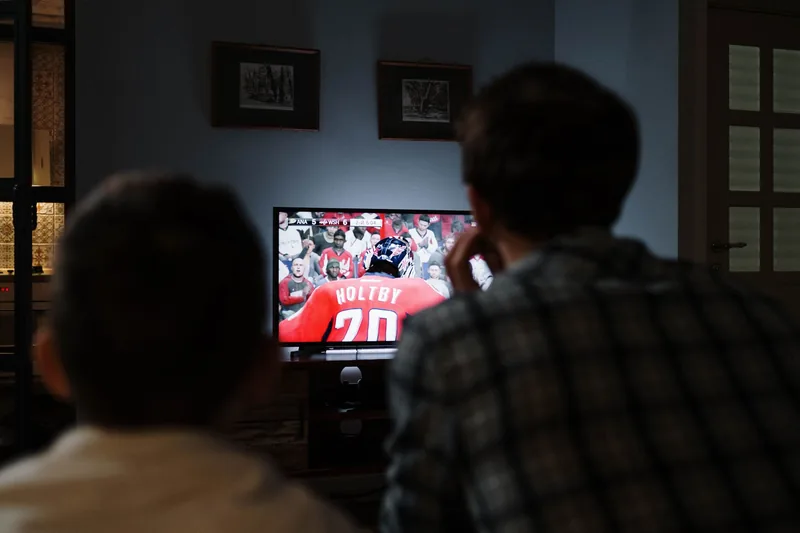
A smart TV is an internet device. So a household can be selected the way a browser audience is — by location, by interest, by whether they already bought from you — and the ad still arrives on the largest screen in the house, unskippable and full-screen.
It reports like digital, too: completed views, reach and frequency at household level rather than a panel estimate.
Outdoor, bought like digital
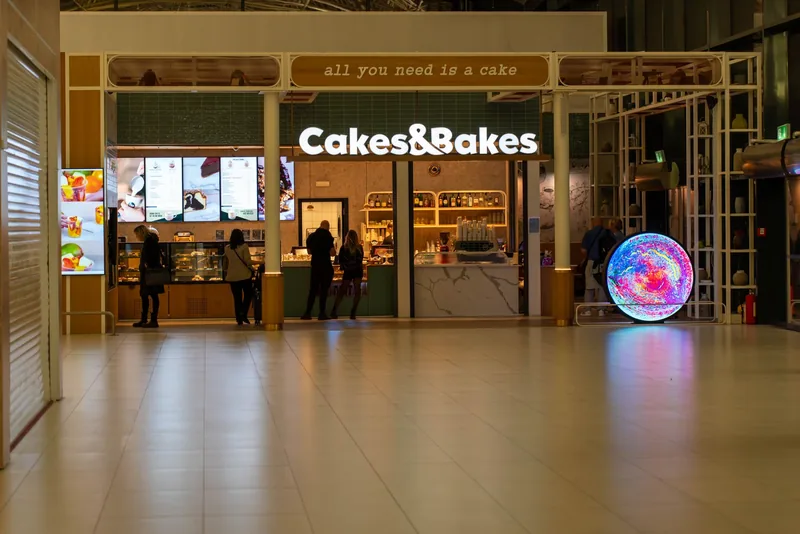
The same screens an outdoor broker sells by the fortnight can be bought by the play — switched on when it rains, when stock lands, at the hours your buyers are actually on that road.
This is where our two halves meet. We buy the screens programmatically and we know the sites physically, because we book the classic outdoor around them.
What you get back.
A programmatic buy generates far more data than anyone needs. Our job is to hand you the part that changes a decision.
The plan, before it runs
Channels, audiences, budget split, flight dates and what each line is expected to do. Approved by you before anything is booked.
Delivery while it is live
Impressions, reach, frequency, completion and viewability — visible during the campaign, not summarised after it.
What it cost
CPM, cost per completed view, cost per click and cost per enquiry, by channel. Stated plainly enough to compare with your other spend.
What changes next
The optimisation notes: what we shifted budget towards, what we cut, and what we would do differently with the same money again.
Start with one channel.
You do not have to buy the whole stack to find out whether it works. Pick one objective and one audience, and we will build the smallest plan that gives you a real answer.
Or email [email protected]